How do you choose the right lawyer in the Netherlands?
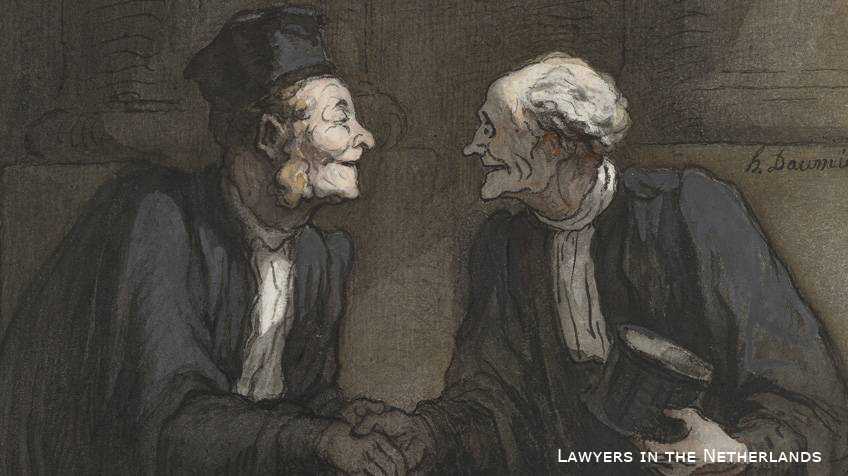
Choosing a lawyer in the Netherlands means selecting a registered advocaat who is admitted to the Dutch Bar Association (Nederlandse orde van advocaten, NOvA) and authorised to represent clients before all Dutch courts. An advocaat in the Netherlands is a court-admitted legal professional regulated under the Lawyers Act (Advocatenwet), who combines the roles of legal adviser and courtroom advocate in a single profession.
This guide is written for international businesses, expats, and in-house counsel who need to engage a Dutch lawyer for the first time. It explains what to look for when selecting a lawyer, how fees work, and what questions to ask before signing an engagement letter (opdrachtbevestiging).
On this page
What type of lawyer do you need in the Netherlands?
The first step in choosing a lawyer in the Netherlands is identifying the area of law your matter falls under. Dutch lawyers typically specialise in one or two fields. A lawyer who handles contract disputes will not necessarily be the right choice for an employment law matter or a criminal case.
The main practice areas in Dutch civil law include:
- Contract law (verbintenissenrecht)
- Employment law (arbeidsrecht)
- Corporate law (ondernemingsrecht)
- Real estate law (vastgoedrecht)
- Family law (familierecht)
- Litigation and dispute resolution (procesrecht)
Unlike in some common law jurisdictions, where a general practitioner may handle a wide range of matters, Dutch lawyers tend to focus on specific areas. As a result, choosing the right specialist from the outset saves time and cost. We frequently advise international clients to verify whether a lawyer's stated specialisation matches the specific area of Dutch law their matter falls under.
How do you find a lawyer in the Netherlands?
There are several ways to find a qualified lawyer in the Netherlands. The NOvA maintains an online register at zoekeenadvocaat.advocatenorde.nl, where you can search by location, name, and area of practice. This register lists every licensed advocaat in the country.
Other useful methods include:
- Asking for referrals from business contacts, accountants, or other professionals who work with Dutch lawyers regularly.
- Consulting the ranking of Dutch litigation attorneys or similar independent listings.
- Contacting your embassy or consulate, which may keep a list of English-speaking lawyers.
For international businesses and expats, it is important to confirm that the lawyer is comfortable working in English. Most Dutch lawyers in larger cities speak English fluently, but this is worth confirming at the start. Unlike in France or Germany, where court proceedings must be conducted in the national language, the Netherlands Commercial Court (Netherlands Commercial Court, NCC) allows proceedings to be conducted entirely in English.
What should you ask during a first consultation?
Most Dutch lawyers offer a short introductory meeting, either free of charge or at a reduced rate. During this consultation, you can assess whether the lawyer is the right fit for your matter. Key questions to ask include:
- How many years of experience do you have in this specific area of law?
- Have you handled similar cases recently, and what were the outcomes?
- Who will work on my case: you personally, or a colleague or junior associate?
- What is your fee structure, and can you provide a cost estimate?
- What is the expected timeline for my matter?
A good lawyer will answer these questions directly and set realistic expectations. Be cautious of lawyers who guarantee a specific outcome. Under Rule 2 of the Code of Conduct (Gedragsregels 2018), a lawyer may not promise results. In practice, this means that any lawyer who guarantees you will win your case is violating the professional rules.
How do lawyer fees work in the Netherlands?
Most Dutch lawyers charge an hourly rate (uurtarief). Rates typically range from EUR 150 to EUR 500 per hour, depending on the lawyer's experience, specialisation, and the size of the firm. Junior associates charge less than senior partners.
Some lawyers offer a fixed fee (vast tarief) for clearly defined tasks, such as drafting a contract or reviewing an employment agreement. This gives the client certainty about costs upfront.
Unlike in the United States, contingency fees (no cure, no pay) are generally not permitted under Dutch professional rules (Rule 17 of the Code of Conduct). A limited exception exists for personal injury cases, where a conditional fee arrangement may be used. Also unlike in England and Wales, where cost recovery from the losing party is common, Dutch courts award only a standardised litigation cost contribution (liquidatietarief), which typically covers only a fraction of the actual legal fees. Before engaging a lawyer, always request a written fee agreement (opdrachtbevestiging) that sets out the hourly rate, payment terms, and billing frequency.
In practice, this means that clients should ask for a realistic cost estimate at the outset. We frequently advise international clients to request monthly billing updates so they can monitor costs throughout the matter.
How do you verify a lawyer's credentials in the Netherlands?
Every advocaat in the Netherlands must be registered with the NOvA and must hold a valid practising certificate (stageverklaring or full admission). You can verify registration through the NOvA's online register. The register also shows any disciplinary history.
In addition, some lawyers hold specialist qualifications awarded by recognised legal specialist associations. These include the Dutch Association of Employment Lawyers (Vereniging Arbeidsrecht Advocaten Nederland, VAAN) and the Dutch Association of Insolvency Lawyers (INSOLAD). A specialist title indicates that the lawyer has met additional training and experience requirements in that field. For international businesses, the key implication is that a specialist title provides an objective benchmark of expertise that goes beyond the lawyer's own claims.
Unlike in England and Wales, where solicitors and barristers perform different functions, the Dutch advocaat combines both roles. A single lawyer handles advisory work, drafting, and court representation. For international businesses, this means there is no need to instruct separate professionals for different stages of a matter.
What role does the Dutch Bar Association play?
The Dutch Bar Association (Nederlandse orde van advocaten, NOvA) regulates the legal profession in the Netherlands. All advocaten must comply with the professional rules set out in the Lawyers Act (Advocatenwet) and the Code of Conduct (Gedragsregels).
The five core values of the profession are independence, partiality, expertise, integrity, and confidentiality. These are codified in Section 10a of the Lawyers Act. Unlike in the United States, where attorney regulation varies by state, the Dutch system applies a single set of professional rules nationwide. A lawyer who violates these rules can face disciplinary proceedings before the Disciplinary Board (Raad van Discipline).
If you are dissatisfied with your lawyer's conduct, you can file a complaint with the lawyer's firm first. If the complaint is not resolved, you can bring it before the local bar president (deken), who may refer it to the Disciplinary Board. In practice, this means that choosing a lawyer registered with the NOvA provides a layer of protection that unregulated legal service providers cannot offer.
Can you qualify for legal aid when choosing a lawyer in the Netherlands?
The Netherlands has a system of government-funded legal aid (gesubsidieerde rechtsbijstand) for individuals who cannot afford a lawyer. The Legal Aid Board (Raad voor Rechtsbijstand) administers this system and determines eligibility based on income and assets.
If you qualify, the government covers most of the lawyer's fee. The client pays only a personal contribution (eigen bijdrage), which varies depending on income level. Not all lawyers participate in the legal aid system. When choosing a lawyer in the Netherlands under legal aid, check whether the lawyer accepts legal aid clients (toevoegingszaken).
For international businesses, legal aid is generally not available. Corporate clients pay their own legal fees. However, the cost of hiring a Dutch attorney is typically tax-deductible as a business expense. We frequently advise international clients to request a detailed cost estimate and a clear scope of work before engaging a lawyer, so that both parties have realistic expectations from the start.
List of top lawyers in the Netherlands
The Dutch Law Institute has compiled a list of top lawyers in the Netherlands. This list covers litigation attorneys, contract lawyers, and employment law specialists. You can download the list as a PDF for your reference.